How Chrome Plating Works: Copper, Nickel and Chrome Layers
How chrome plating works: why parts are polished first, what copper, nickel and chrome layers do, what triple chrome means and which metals work.
Chrome & plating · · 4 min read · By San Marcos Powder Coating
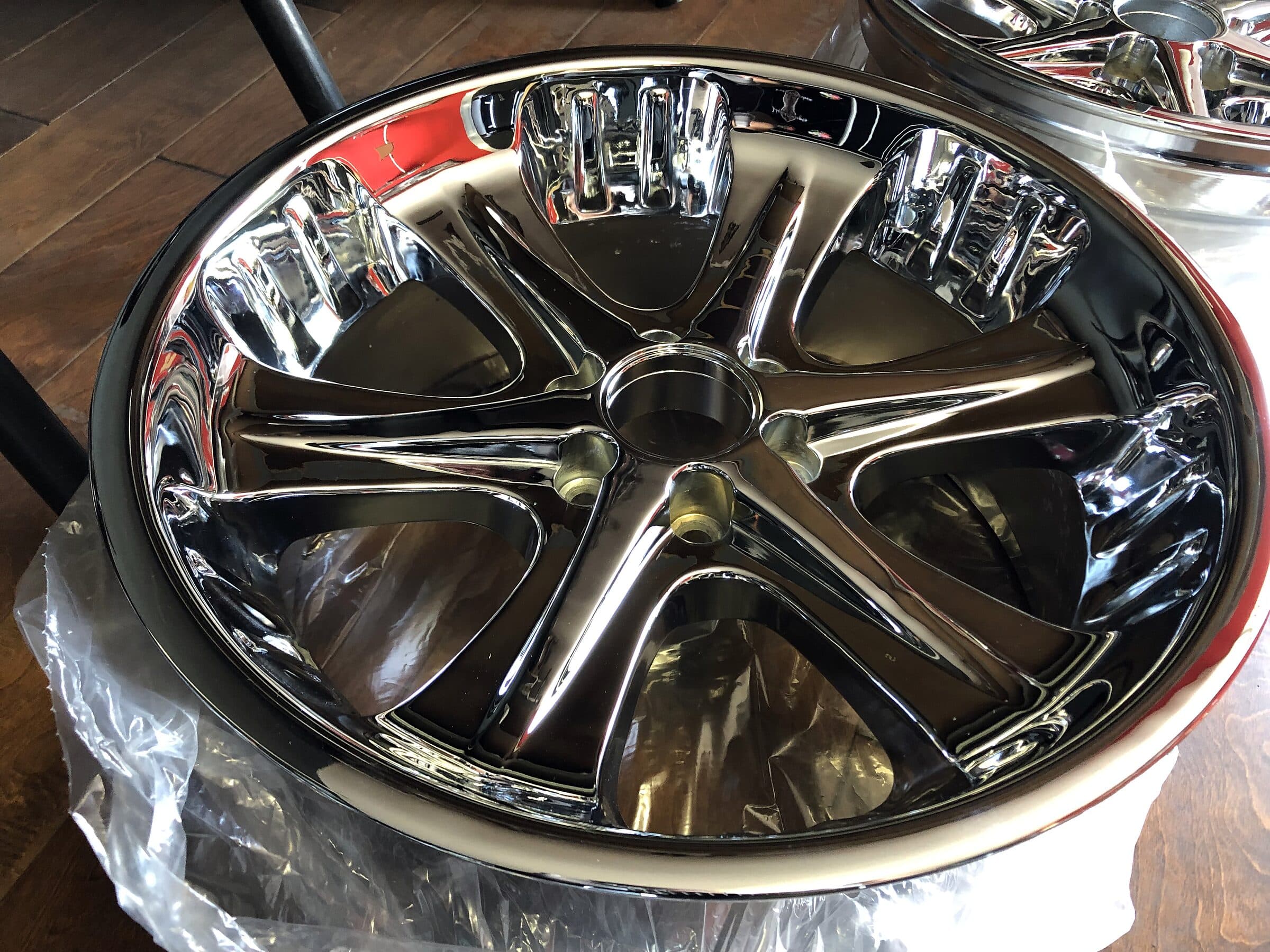
Chrome plating is a layered process. The bright chrome you see on a bumper or wheel is a thin top layer sitting on top of nickel, and often copper too, with careful polishing between the steps. The chrome gives the finish its blue-white shine and hardness, while the layers underneath do much of the work of smoothing and protecting the base metal.
Understanding those layers helps explain why good chrome takes time, why prep matters so much, and why the same finished look can take a different path depending on what your part is made of.
Chrome is only the top layer
Most people picture chrome as a solid shell. In decorative plating, the chrome layer is typically very thin. Its job is to add that bright, cool color, resist tarnish and give the surface a hard top coat.
On its own, that thin layer would show every scratch and pit beneath it. That's why the layers underneath, and the polishing between them, matter so much. The finish you end up with can only be as smooth as the surface it's built on.
Why polishing comes first
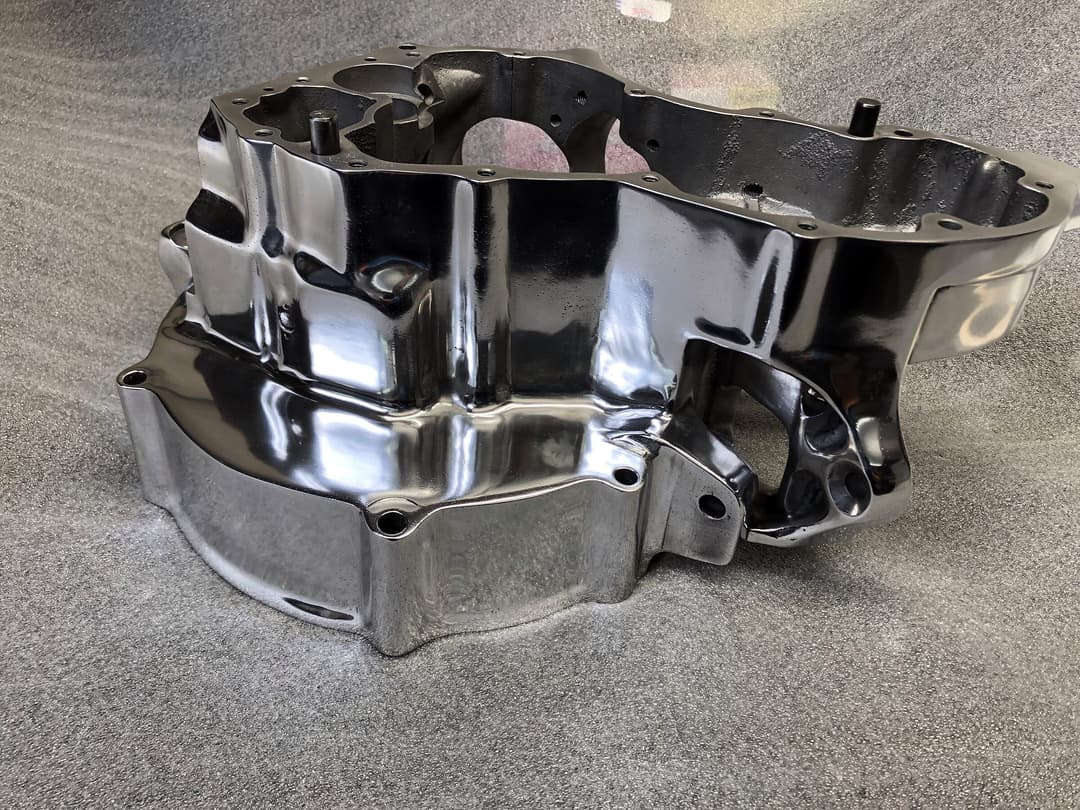
Plating copies the surface it lands on. If a part has scratches, pits or casting marks, the plating follows them. So every plating job at our shop starts with polishing, and in many cases the part is polished again between plating steps.
Before polishing, a part may need stripping, sandblasting or grinding to remove old plating, corrosion and damage. If a piece is dented, bent or cracked, it's best fixed first. Our metal repair work covers dent removal, trim straightening, welding and brazing, and a repaired part can go straight on to plating in the same shop.
What each layer does
Here's how the layers typically stack up.
Copper
Copper plating is often the first layer, especially on metals like aluminum, magnesium and pot metal. Copper bonds well and can be polished, which helps build up a smooth surface and fill fine imperfections. After copper plating, the part is polished again.
Nickel
Nickel goes on next. It's a big part of what gives chrome its depth and brightness, and it adds a layer of protection over the base metal. On brass, copper and steel, nickel can go on directly after polishing.
Chrome
Chrome is the final layer. It adds the signature bright, slightly blue tone and a hard top surface that resists tarnish.
Triple chrome explained
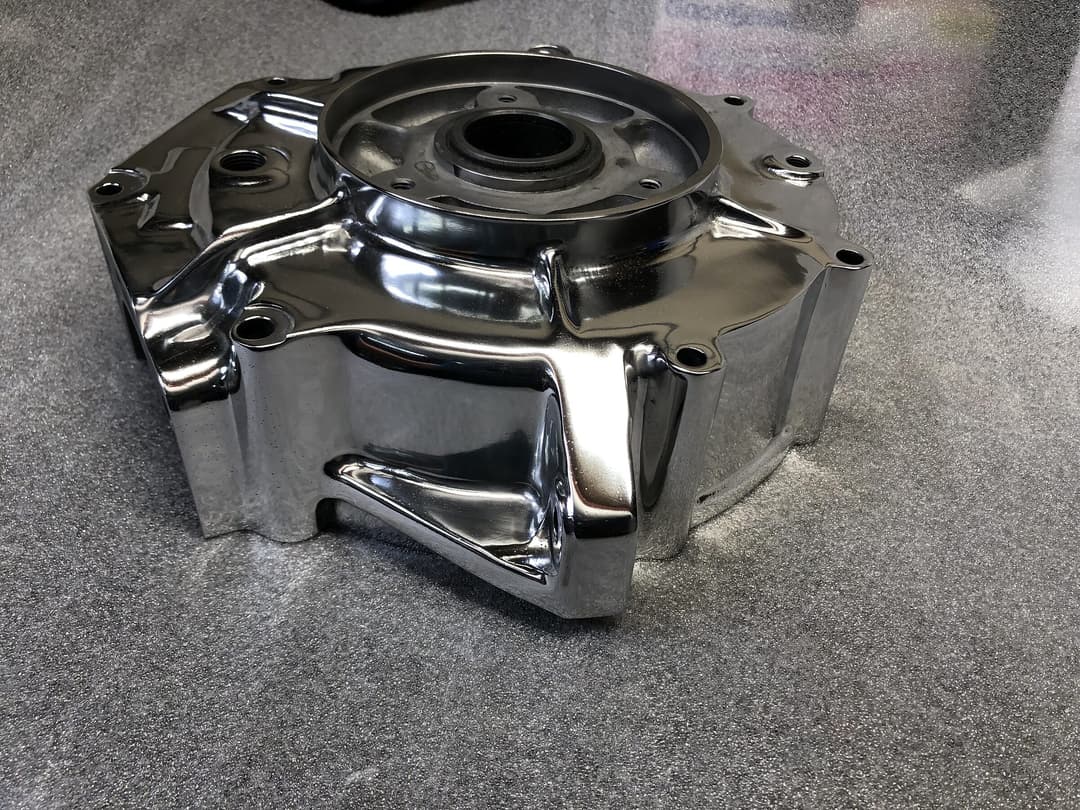
"Triple chrome" refers to the three plated layers: copper, nickel and chrome. At our shop, the triple chrome sequence is polish, copper plate, polish, nickel plate, chrome plate. We offer triple chrome on aluminum, magnesium, pot metal, brass, copper and steel.
The extra copper layer and the second round of polishing help build a smoother, deeper base under the nickel and chrome. That's why triple chrome is the go-to for classic car trim, bumpers, wheels and show parts. Finish options for triple chrome include mirror, line graining and sandblasted.
Which base metals can be chrome plated
The steps depend on the base metal:
- Brass, copper and steel: polish, nickel plate, chrome plate. These metals can take nickel directly, so the copper step can be skipped for standard chrome.
- Aluminum, magnesium and pot metal: these go through the full copper, nickel and chrome sequence. The copper layer is needed before nickel on these metals.
- All six metals can be triple chromed, with copper added for a smoother, deeper result.
Pot metal deserves a special mention. It's common on older trim, emblems and antique hardware, and it can be tricky to work with, especially when it's pitted. It usually takes extra care in prep and polishing to get a good result.
Other plating options
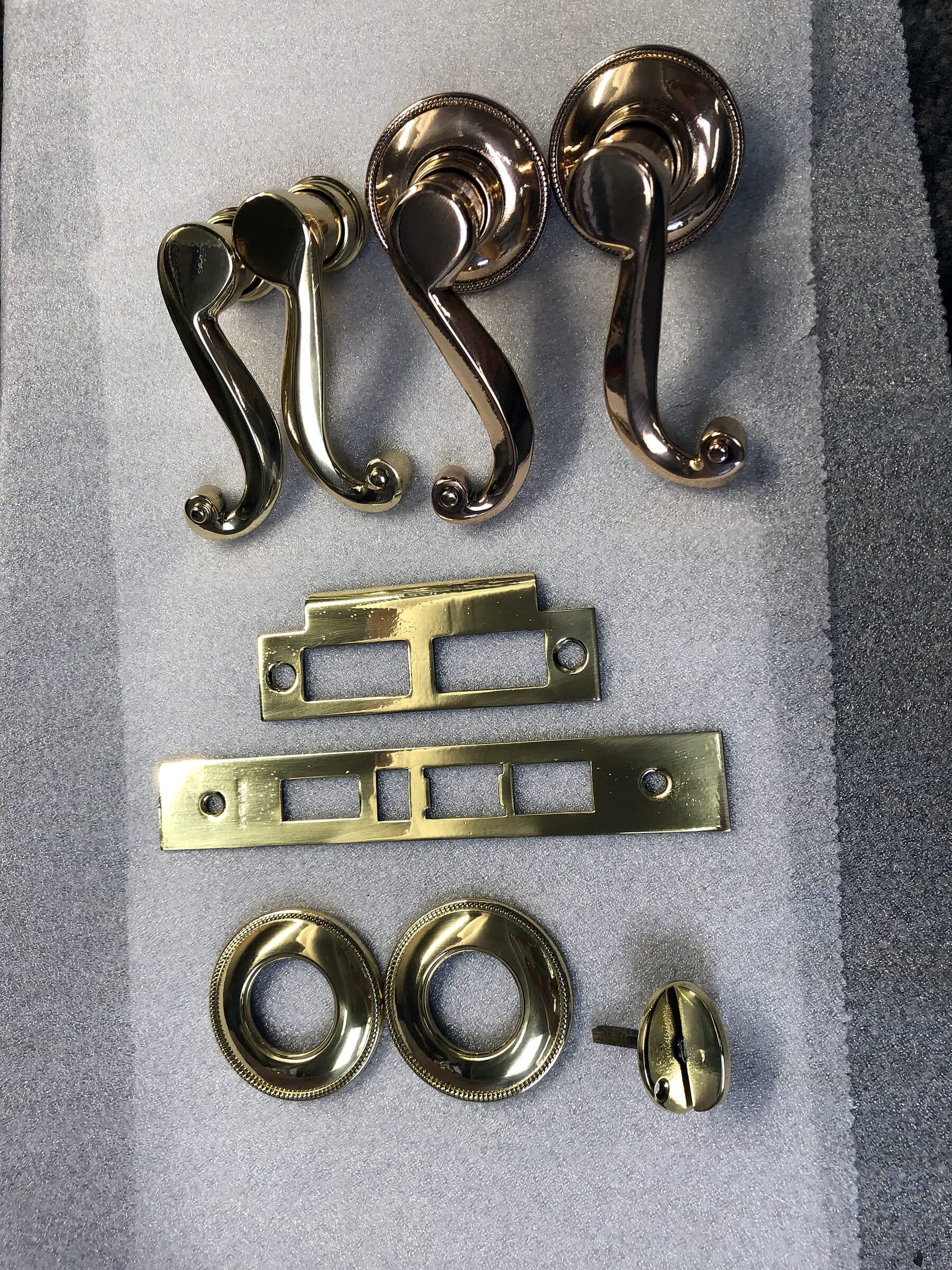
Chrome isn't the only finish on the menu. We also offer copper, nickel and brass plating on their own:
- Nickel plating gives a warmer, softer shine than chrome and needs no after-treatment.
- Copper plating offers a warm, rich color, available in mirror, satin, brushed, line graining or sandblasted finishes. We suggest a clear coat to keep it from tarnishing.
- Brass plating gives a classic golden tone. A clear coat is suggested here too.
These are popular on home hardware, lighting and antiques. Our post on brass, copper and nickel plating for home hardware covers those finishes in more detail, and our chrome and plating page has the full chart.
Plating and other finishes in one shop
Our San Marcos shop got its start refinishing slot machines, and we've been plating, polishing and powder coating for 22 years. Having everything under one roof means a part can be repaired, polished, plated and even paired with powder coating on other pieces of the same project without leaving the building.
Take a look at our gallery to see chrome and plated parts we've finished. If you're restoring older pieces, you might also like restoring antiques and heirlooms.
Get a quote
Call us at (760) 752-9825 or send photos of your part through our quote form. Let us know what the part is made of (if you know), its current condition, and whether you're after chrome, triple chrome, nickel, copper or brass.