How to Choose Powder Coating Colors and Finishes
A practical guide to powder coating colors: gloss, satin, matte, metallic, candy and textured finishes, plus how light and use should shape your choice.
Powder coating · · 4 min read · By San Marcos Powder Coating
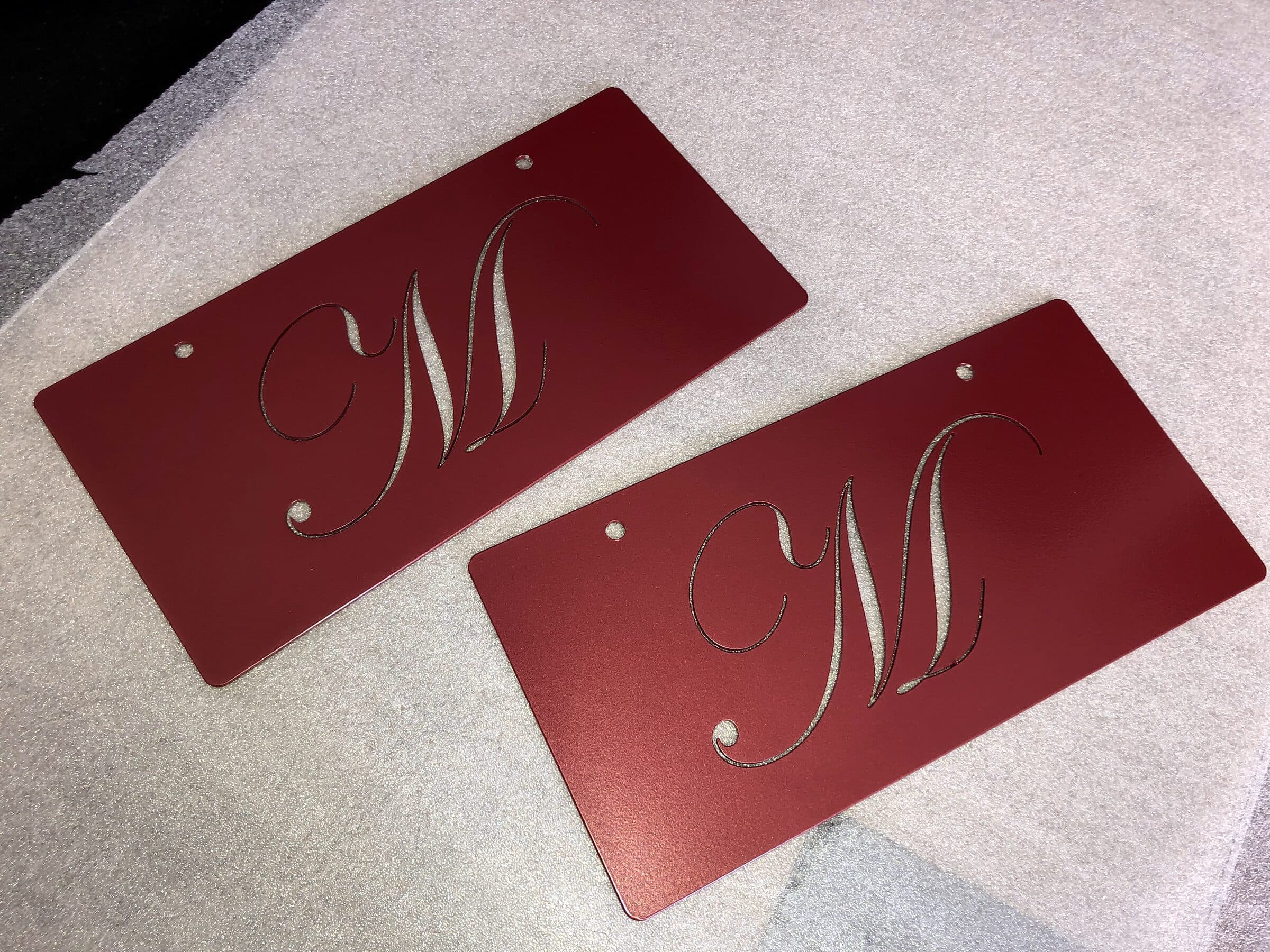
Picking from thousands of powder coating colors can feel like a lot. The easiest way to narrow it down is to choose the finish type first (gloss, satin, matte, metallic, candy or textured), then pick the color within that family, and finally check it against how and where the part will be used.
We use Prismatic Powders, which offers more than 6,500 colors and effects. That's a huge range, so this guide walks through the choices we see most often and the questions we ask customers before a part ever goes into the booth.
Start with the finish, then the color
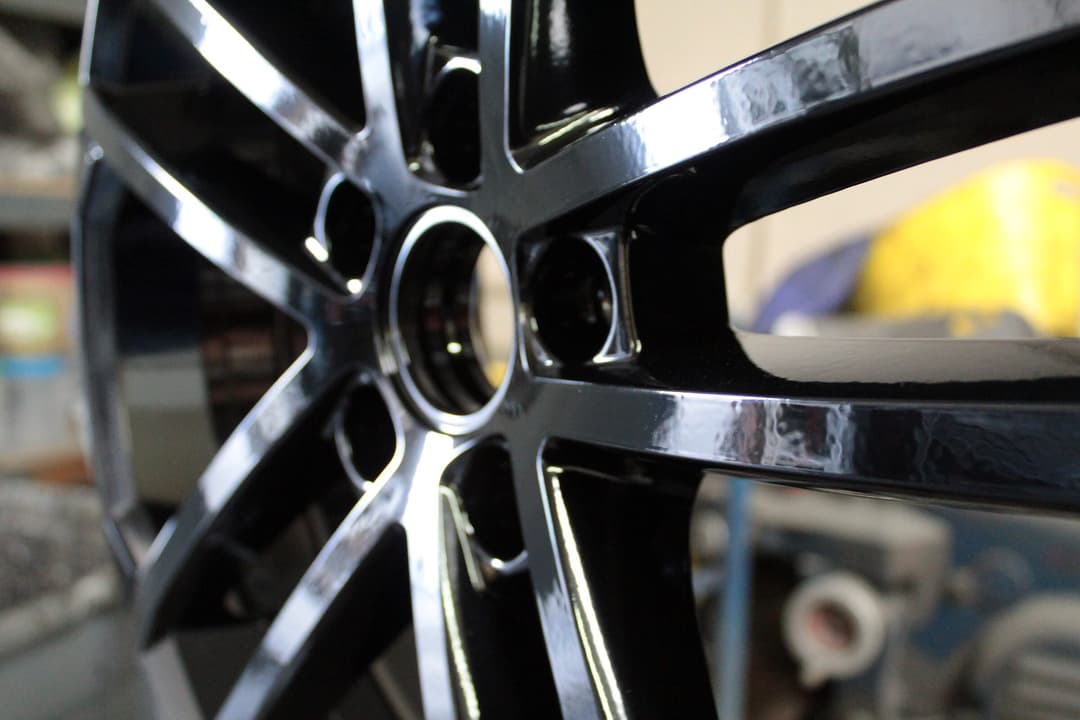
The same color can look completely different depending on its sheen and effect. A black can be a deep, wet-looking gloss, a soft satin or a flat matte. Each one changes the character of the part.
Here's a quick rundown of the main finish types:
- Gloss reflects a lot of light and gives a rich, wet look. It's a classic choice for wheels and show parts, and it's usually easy to wipe clean.
- Satin sits in the middle. It has a gentle sheen that looks clean and modern and tends to hide fingerprints and light dust better than gloss.
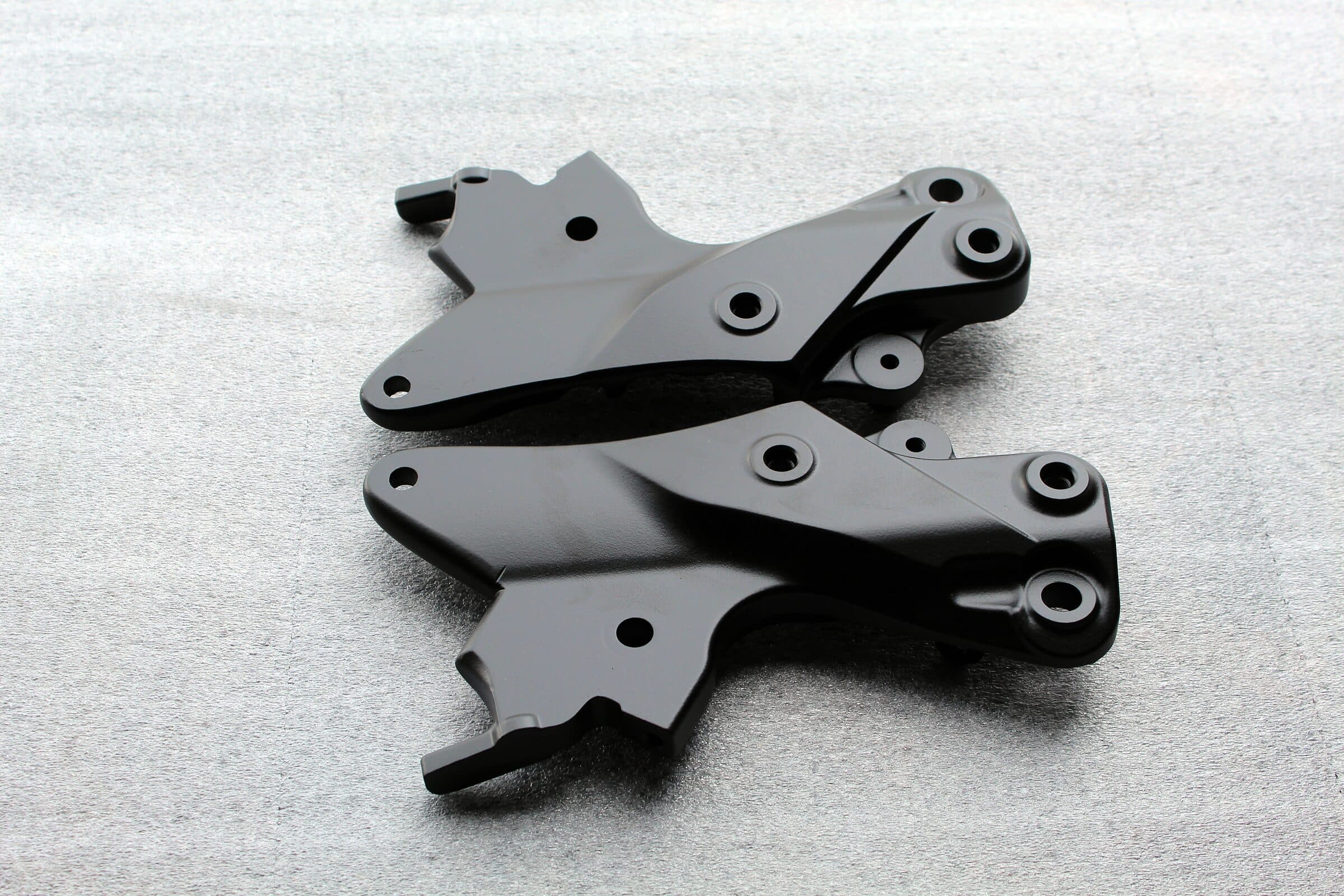
- Matte or flat has very little shine. It gives a stealthy, low-key look, though it can show oils and marks more than gloss in some cases.
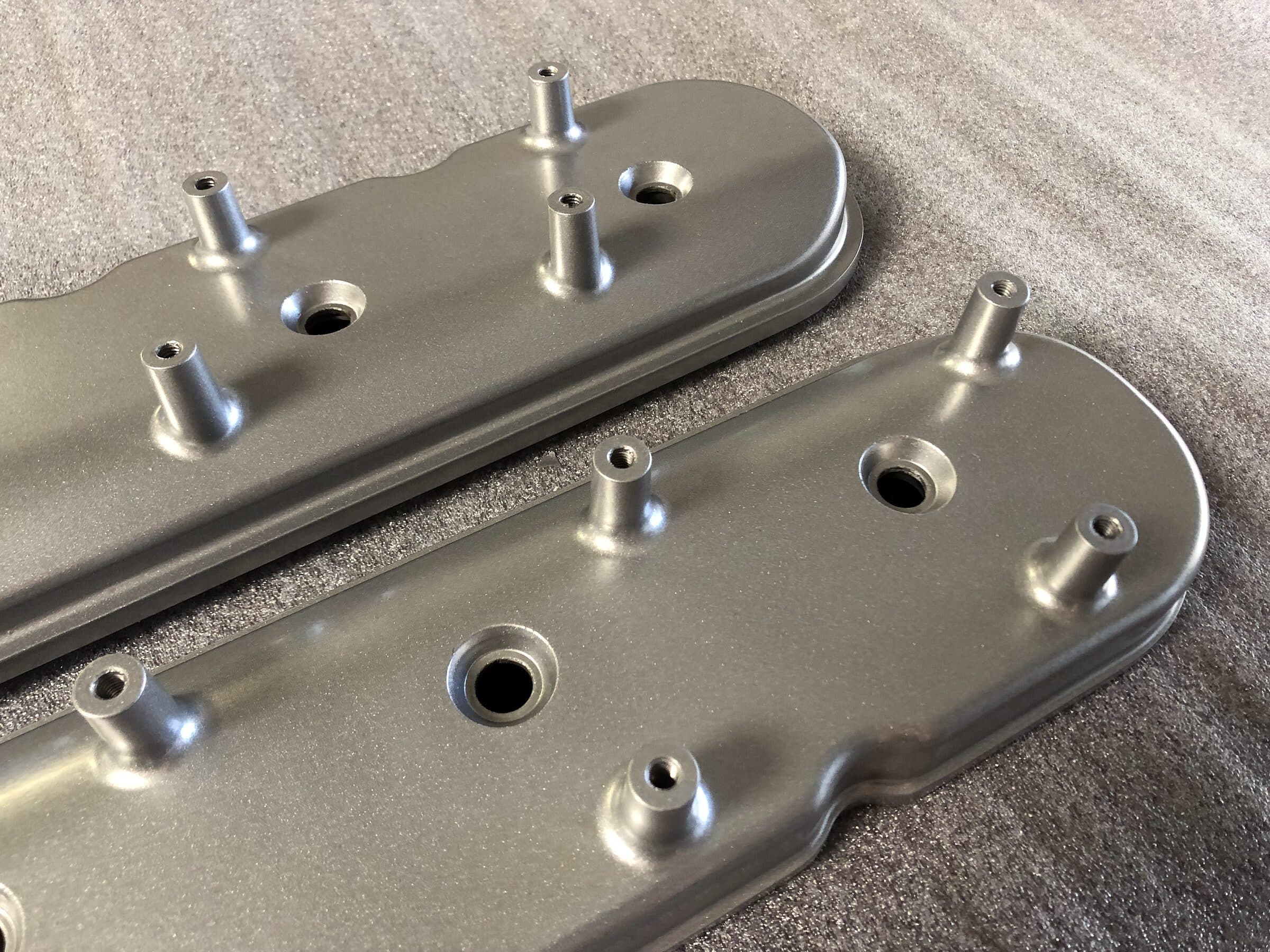
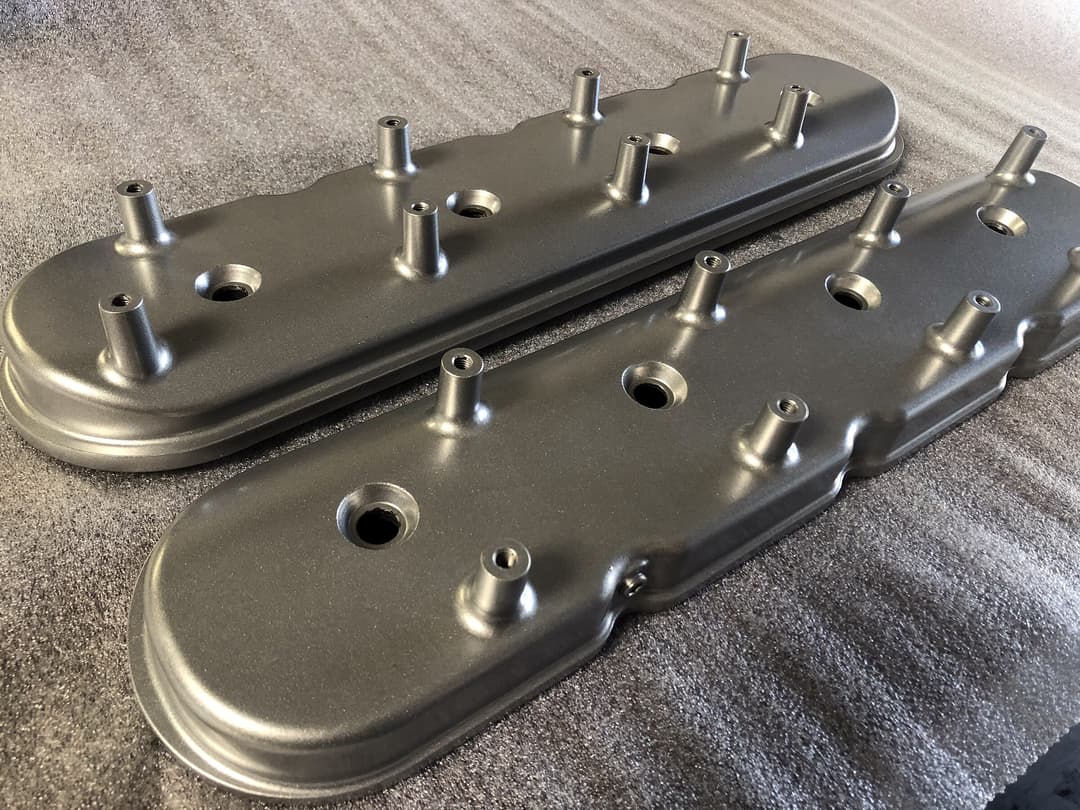
- Metallic includes fine flakes that sparkle in the light. Silvers, gunmetals, bronzes and golds usually fall here.
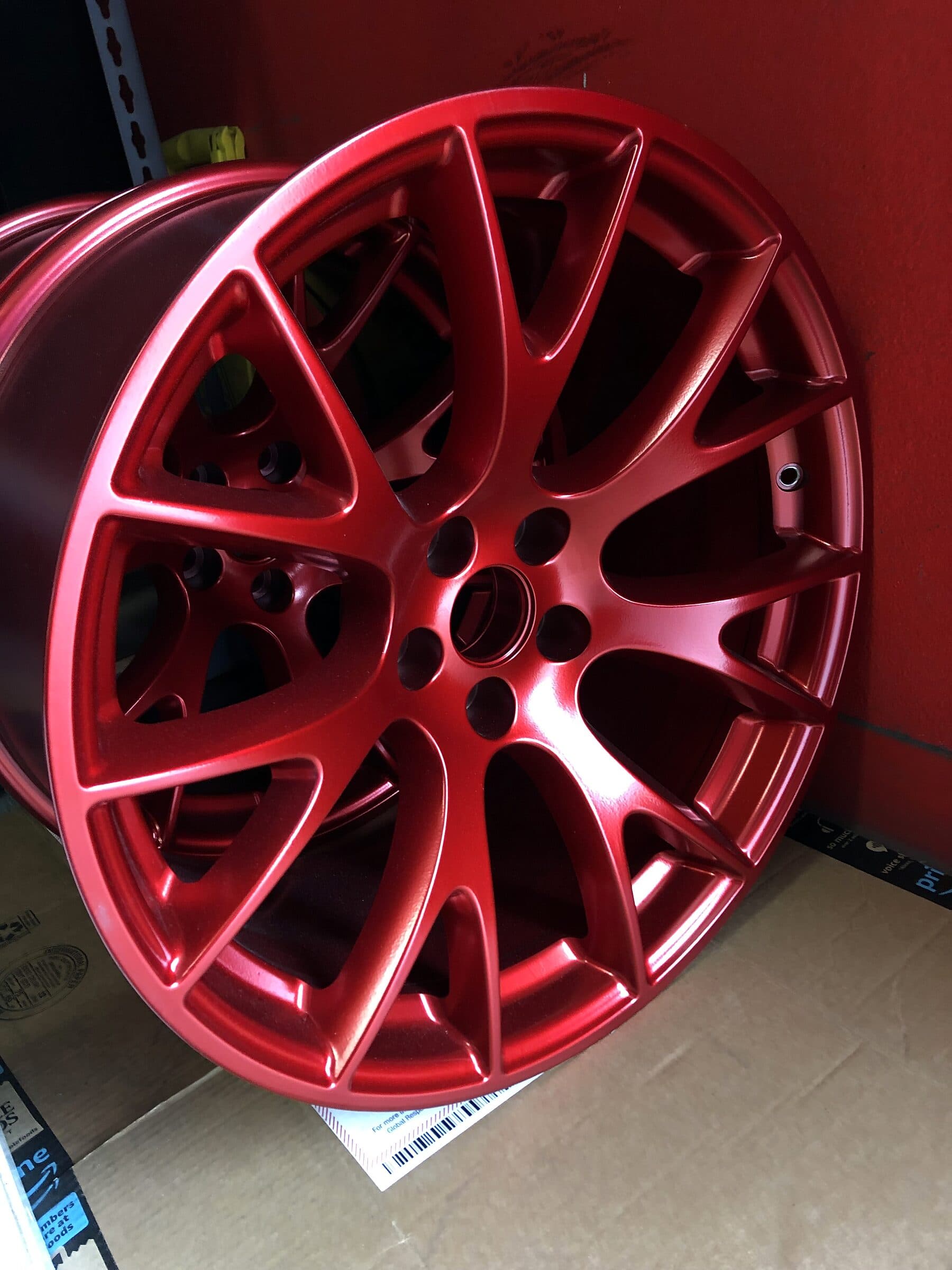
- Candy is a translucent color layered over a reflective base, which gives a deep, glowing look. Candies are popular on wheels and custom parts.
- Textured finishes have a slightly rough, wrinkled or hammered surface. They're great at hiding small surface flaws and are common on brackets and equipment.
How light changes what you see
A color chip on a screen and a finished part in the sun can look like two different things. Metallics and candies especially shift with the angle and strength of the light. A candy red might look almost black in the shade and bright ruby in direct sun.
A few tips:
- Look at colors on more than one screen if you can, since monitors show color differently.
- Think about where the part lives. Parts in a garage, under a hood or indoors will look darker and flatter than parts out in Southern California sunshine.
- Lighter colors and metallics tend to show the shape of a part more, while dark gloss colors show reflections.
Match the finish to how the part is used
The look matters, but so does the job the part has to do. Some questions we ask:
- Will it get hot? Engine parts like valve covers and intakes see heat, and exhaust parts see a lot more. Some powders are made for higher temperatures, so let us know if the part runs hot.
- Will it be handled or scuffed? Textured and satin finishes usually hide wear better than high gloss on parts like brackets, tool boxes or patio furniture.
- Will it be outdoors? Sun and weather are tough on any finish. Many powders are formulated for outdoor use, and we can point you in the right direction.
- Does it need to be easy to clean? Smooth gloss finishes are usually the easiest to wipe down, which is handy on wheels that collect brake dust.
For more on the difference between powder and liquid finishes, see powder coating vs paint.
Consider pairing color with polish or chrome
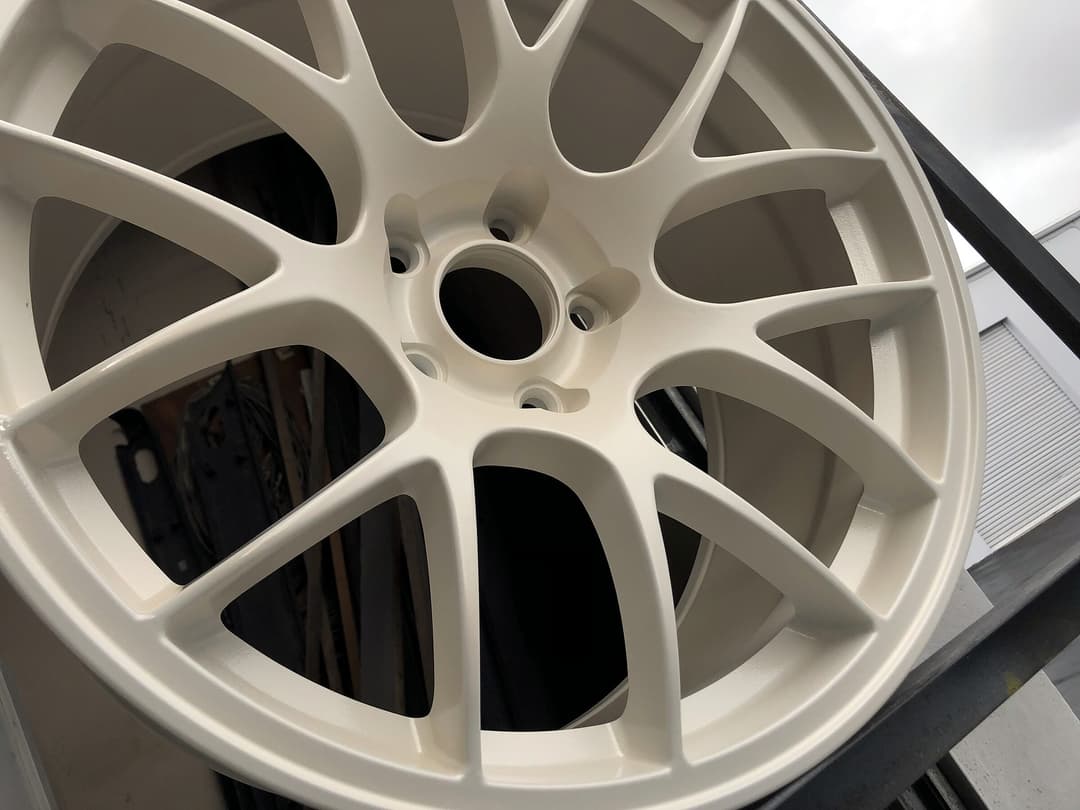
Since we handle powder coating, polishing and chrome plating in the same shop, you don't have to pick just one finish for a project. A popular choice on wheels is a powder-coated face with a polished lip, which adds contrast and a bit of flash.
Two-tone combinations also work well on engine parts, where a coated body can be paired with polished fins or trim. If you're refinishing wheels, our powder coating wheels guide covers two-tone options in more detail.
Browsing Prismatic Powders and sending us your pick
The easiest way to shop colors is to browse the Prismatic Powders color catalog. You can filter by color family, finish and effect, and look at photos of real coated parts.
When you find one you like, just send us the exact color name with your quote request. The name is what matters, since many colors look similar at a glance. If you're torn between a few, send all of them and tell us about the part, and we can talk through which one fits best.
You can also check our powder coating colors page and look through the gallery to see finished parts from our San Marcos shop.
A few final tips
- Choose the finish first, then the color.
- Look at photos of real coated parts, not just flat swatches.
- Think about heat, handling and sunlight before you commit.
- Save the exact color name so there's no guesswork.
- Ask us if you're unsure. We've been powder coating for 22 years and are happy to help.
Get a quote
Call us at (760) 752-9825 or send photos of your part through our quote form. Include the Prismatic Powders color name (or a short list of favorites), what the part is, and how it will be used.